


Medical education extends far beyond textbooks, lecture halls, and written examinations. Developing a student into a confident physician takes direct practical guidance in addition to the educational foundation that academic courses give. This is where mentorship comes into its own; it can provide invaluable hands-on learning, moral support, and professional insight to young trainees. Learning from the experts in real-world practice settings equips future health care leaders with valuable skills that contribute to their professional identity and the quality of health care for generations to come.
Bridging Theoretical Knowledge and Active Clinical Practice

The most difficult part of the medical school curriculum is from the classroom to the patient. Diseases are explained in textbooks, but the speed at which things happen in an operating theatre or outpatient clinic cannot be fully conveyed. An active clinical mentor will enable trainees to watch complex procedures, learn nuances, and gain technical skills with direct supervision. Students are able to ask questions and perfect their techniques in a safe environment provided by mentors. This ongoing cycle is designed to develop procedural confidence and to help future doctors apply academic theory to effective patient care.
Fostering Critical Thinking and Clinical Decision Making
In addition to the technical aspects of a job, a doctor must constantly use the brain and make good judgments in stressful situations. Clinical scenarios are seldom straightforward, and diagnosis can have unexpected complications. Guidance from an experienced mentor like Dr. Omar Marar helps trainees learn how to analyze complex patient histories, weigh treatment risks, and make well-reasoned decisions. Educators take trainees through real case scenarios and discuss the rationale behind surgical decisions, focusing on teaching students to think like an experienced surgeon. This structured mentorship encourages thoughtful reflection, prompting young medical professionals to evaluate their work critically and continually prioritize patient safety.
Cultivating Empathy and Compassionate Care
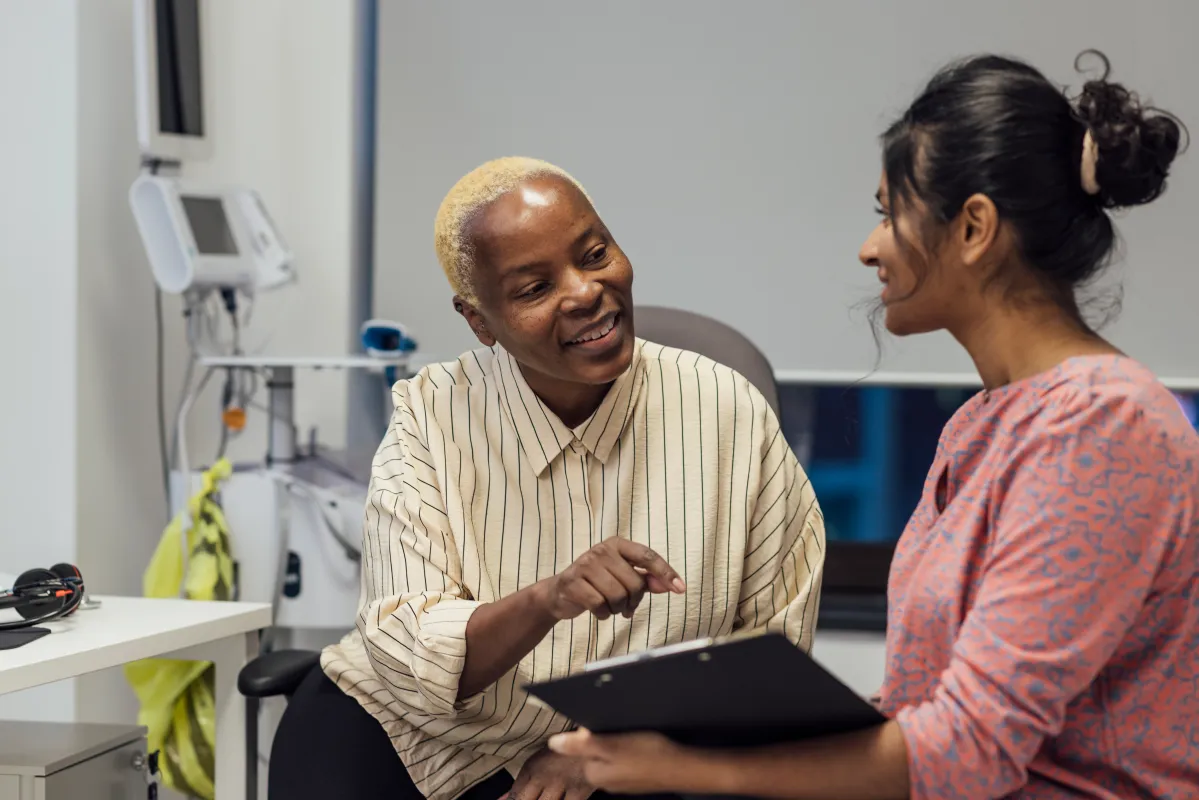
Although precision and scientific exactitude are important, good medicine also depends on the human touch and the doctor’s bedside manner. Severe health conditions can lead to fear, confusion, and anxiety on the part of the patient. Mentors share their knowledge and skills on how to discuss complex medical conditions in a simple way, and provide support and understanding for trainees. When an experienced doctor takes the time to listen to the patient’s concerns, it shows the importance of empathy in fostering trust. Effective communication in sensitive situations teaches young practitioners how to manage their emotions and keep patients at the heart of health care, delivering future patient-centered health care with increased emotional intelligence.
Encouraging Research and Technological Adaptation
In medicine, there is no lack of new technologies: new devices for surgery and diagnosis, new evidence-based treatment guidelines, and new technologies. There are new technologies in medicine, new devices for surgery and diagnosis, new evidence-based treatment guidelines, and new technologies. Good coaches inspire trainees to remain curious in continuous medical research. By involving students in clinical studies, peer-reviewed publications, and academic presentations, mentors demonstrate the importance of lifelong learning. Additionally, seasoned teachers train trainees on the latest innovations, including robot platforms and cutting-edge endoscopy technology. Early uptake of technological advances will make sure that the next generation of physicians is adequately prepared to provide quality care.
Conclusion
The concept of mentorship has become very much an integral part of today’s medical education, and is essential to the transmission of vital clinical information and technical skills, as well as the fundamental values of medicine. Experienced mentors mold well-rounded, capable doctors through their ability to connect academic study with hands-on experience, develop clinical judgment, and provide empathetic and caring care. Investing time and energy into guiding young trainees strengthens the overall healthcare system, ensuring that patients receive safe, high-quality, and empathetic care well into the future.