
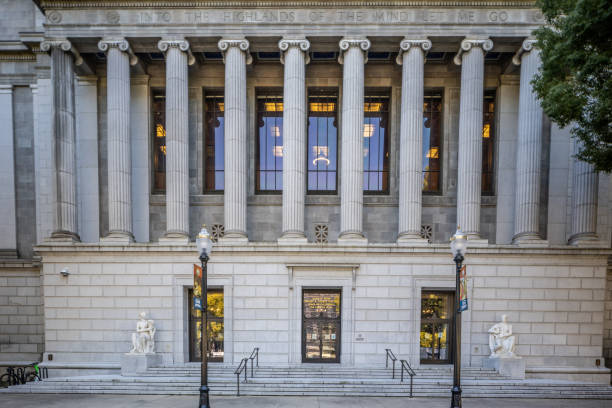

The rapid rise of modern technology is changing how societies document and protect their shared cultural heritages. Historical preservation was almost exclusively relied upon physical upkeep, a local museum archive, and paper records in the past. In the present day, digital innovations have given preservationists the tools to help them protect old stories before they become lost. A combination of the traditional and the modern – of the stewardship and the digital innovations – means that the human story is continuing to be interactive, resilient, and accessible to people of any generation, anywhere in the world.
Deploying Three-Dimensional Scanning and Virtual Mapping
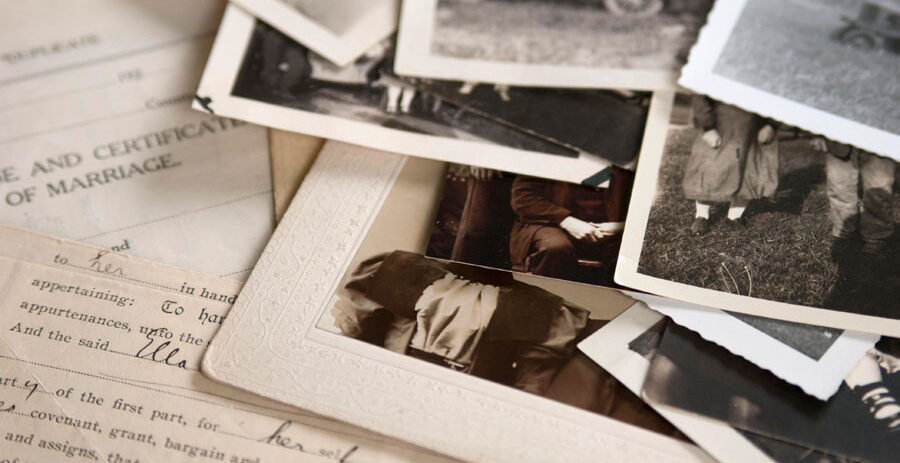
A great development in modern preservation is the use of high resolution laser scanning and 3D digital modelling. If the original structural foundation is significantly damaged by the weather or it is under threat from urban expansion, architectural teams can photograph the foundation at an exact geometric scale and take a digital measurement of it. This non invasive technology can produce an absolutely perfect virtual facsimile, which scholars anywhere in the world can study. By using these digital models, in case anything happened to the physical building, the smallest detail of its precise structural design will be preserved for eternity, enabling researchers to accurately reconstruct a building in all its details.
Demanding Accessible Online Collections and Digital Stewardship
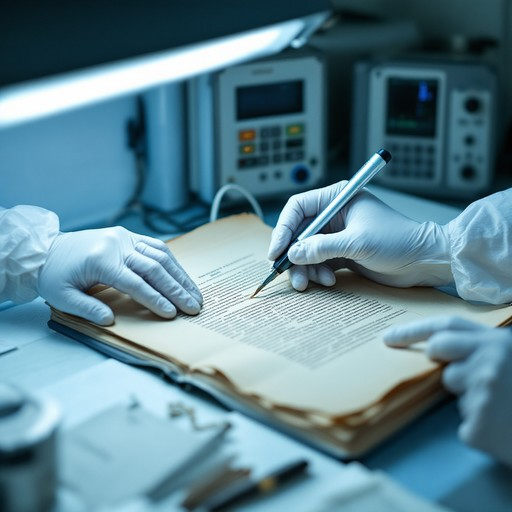
Digital archiving is more than just the storage of blueprints; it can be used to make educational data accessible to the public in a straightforward manner. Historical societies take away the geographical barriers to knowledge when they digitize historic maps, diaries, and other rare photos and make them available online. For example, looking at the public updates shared on https://www.facebook.com/nativesonsgw/ shows how a dedicated heritage organization can utilize digital media networks to connect directly with modern audiences. This group was established in 1875 by General A.M. Winn to commemorate the 1849 Gold Rush pioneers; it is a combination of physical markers and updates on the Internet. A proactive digital approach to maintaining and making these basic stories active and relevant to community traditions.
Securing Vulnerable Media Through Advanced Digitization
Physical historical documents like local newspapers, pioneer journals, and early administrative ledgers are vulnerable to decay, fire, and water damage over time. Advanced digitization projects solve this problem by converting delicate paper assets into secure, high resolution digital formats. Numerous nonprofit preservation organizations have initiatives dedicated to funding special grants to support local historical societies to acquire high speed scanning equipment. The digitization of temporary documents into a permanent digital record helps to preserve critical local research information from the detrimental forces of decay and supports local studies by future generations of students.
Balancing Screen Interaction with Physical Landmark Protection
While digital tools provide unmatched storage capabilities, virtual experiences can never replace the emotional impact of visiting an original historic site in person. The future of preservation lies in a balanced hybrid framework that uses technology to enhance physical stewardship. Progressive groups leverage digital tools to plan volunteer cleanups, raise funds and plan with the California Landmark Foundation to conserve physical locations. Internet outreach combined with community action empowers local landmark facilities to be strong, viable structures that are capable of withstanding the ravages of time.
Conclusion
Historical preservation is not endangered by the digital era – the digital era enables it to be magnified into the culture. The use of virtual mapping, online archiving and social networking will enable contemporary societies to safeguard accurately their ancestral heritages. With these high tech resources, but with a strong focus on physical landmark stewardship, our story of humanity is physically solid and digitally rich. Implementing these innovative preservation methodologies today guarantees that the lessons of the past continue to guide and inspire future generations forever.