
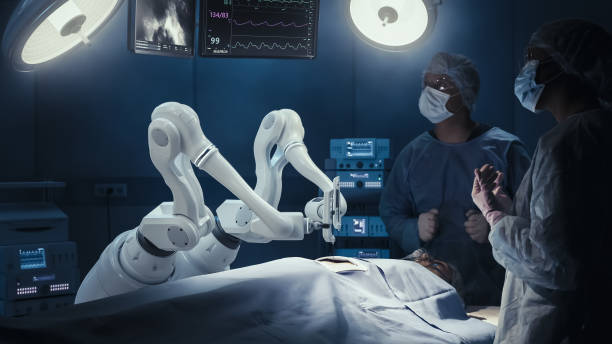

There is a massive transformation happening in the healthcare industry and it’s transforming the patient experience. For decades traditional open surgery was the primary method used to treat complex internal conditions. These older methods were effective, but involved extensive incisions and long recovery periods and were physically painful. In the modern era, technology is making it possible for medical facilities to become more automated. Robotic-assisted procedures are the next big thing in medicine around the world. Hospitals can now offer treatments that are incredibly accurate, made possible through the use of advanced machinery coupled with human know-how, and a generation ago were impossible.
Enhancing Human Precision In The Operating Room
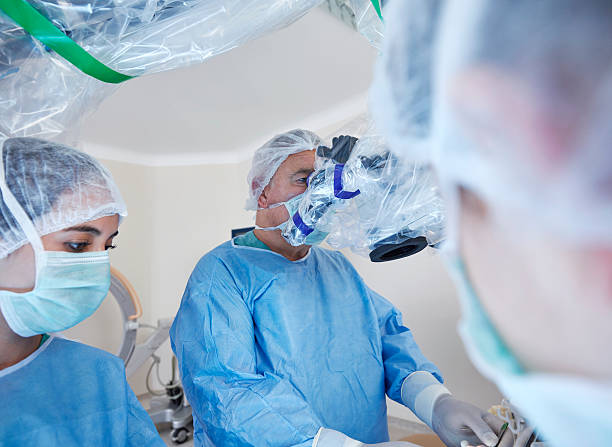
Surgical robots are not substituting the human doctor in a surgical process. These advanced systems are a very high level extension of the operator’s hands, however. A surgeon uses special computer console near patient to operate with micro tools at extreme precision. The small hand tremors are naturally removed by the robotic system which means that each and every move is totally smooth and deliberate. If you want to learn how modern specialists combine educational mentorship with advanced surgical systems checking out articles like https://www.brainzmagazine.com/post/dr-omar-marar-mentoring-medicine-and-mastering-surgical-technology shows the profound impact this tech has on complex procedures. This amazing mix of machine stability and human judgment means that deep tissue navigation is the safest possible.
Maximizing Benefits For Patient Recovery Outcomes
Automated assistance has great benefits for people who are going through significant medical procedures. Heavy muscle groups may need to be separated in traditional methods to allow access to the internal treatment area. Robotic systems are able to do this without any of this trauma by using keyhole entry points, just a few millimeters wide. Smaller entry wounds mean that there will be far less bleeding during the procedure and fewer post-operative pains. Patients recover much quicker if they are able to leave the hospital facility early, and resume their normal work and family routine without the long months of inconvenient recovery.
Improving Visualization Of Complex Internal Structures
Delicate areas such as the digestive tract need to be viewed perfectly—with the utmost clarity of tiny blood vessels and nerve pathways. An advanced surgical platform addresses this by providing HD 3D images on the control console. This visual system enlarges the internal field up to ten times, enabling the operator to easily observe the fine details of the field. Greater visibility means that specialists can be certain they’re dealing with healthy tissue and diseased cells. This clear visibility reduces the likelihood of incidental tissue damage in the delicate removal process, leading to improved long-term outcomes for patients.
Expanding Remote Treatment Possibilities Safely
Long Distance Treatment options are one of the most exciting parts of the future of the healthcare industry. The improvement in wireless internet around the world will mean that in the future, specialists can work with patients thousands of miles away. A highly trained medical center operator can operate a robotic arm in a community hospital in rural area with ease. This game-changing technology will make a significant impact on breaking down geographic disparities in access to high-quality health care. It guarantees that families living in remote areas can access life saving specialized treatments instantly without needing to travel long distances during a medical crisis.
Conclusion
The era of technology in healthcare and patient treatment is being defined by Robotic. These high-precision devices enhance physical safety and reduce the risk of damage, making complex procedures easier and more accessible than ever before. The amazing transparency of the image, and the possibility of sharing remotely, suggest a global healthcare system with less barriers. The ongoing evolution of technology will continue to make automated machinery a vital component in the very survival of human life. Embracing these high tech innovations allows the global medical community to deliver compassionate effective care with ultimate confidence.